Paver sealing in Pinellas, Pasco and Hernando
Gulf coast pavers take a beating. Summer downpours wash the sand out of the joints, weeds and ants move in, and the color fades in the sun. Cleaning and sealing puts the joints back together and slows all of that down.
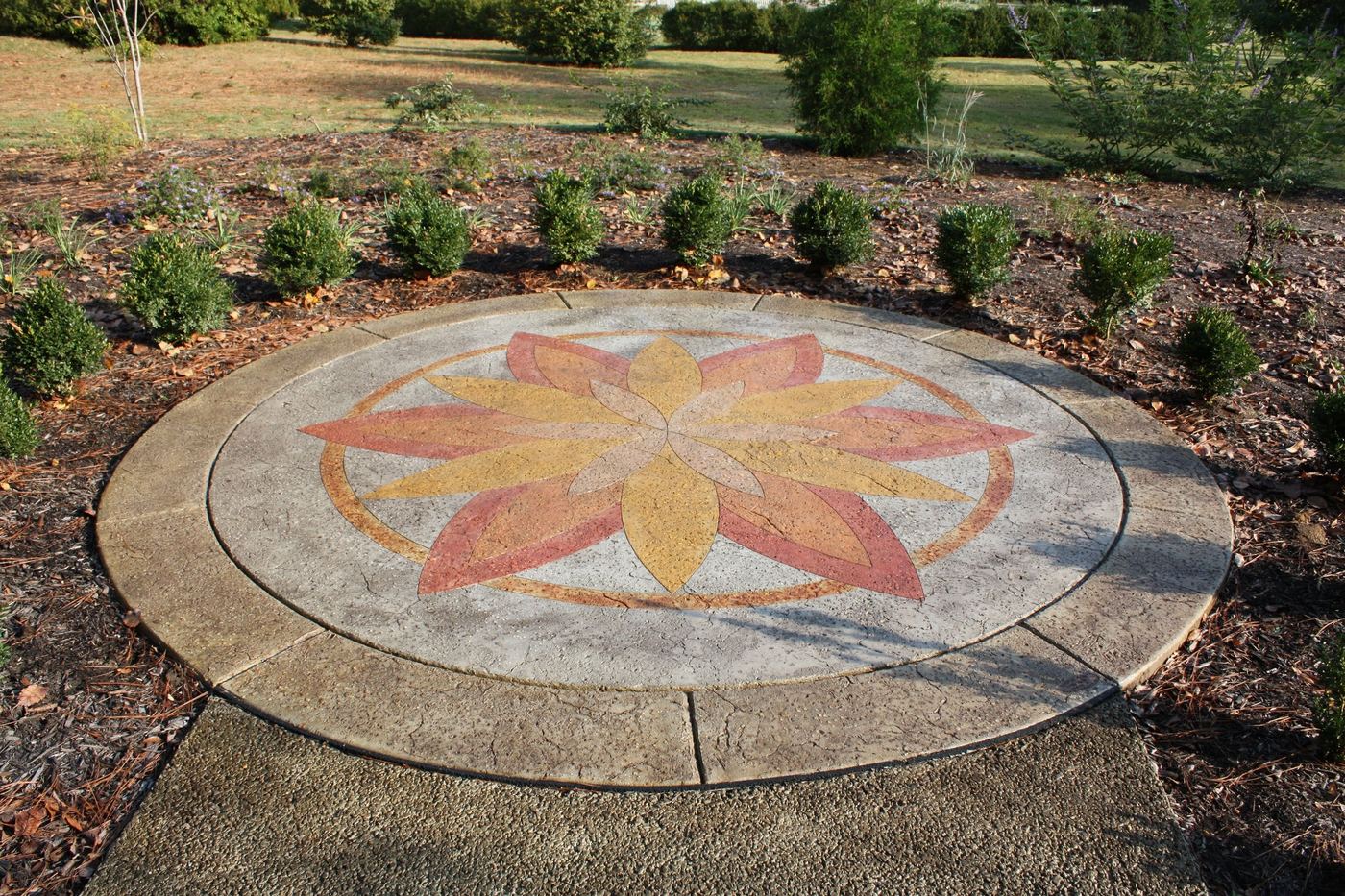
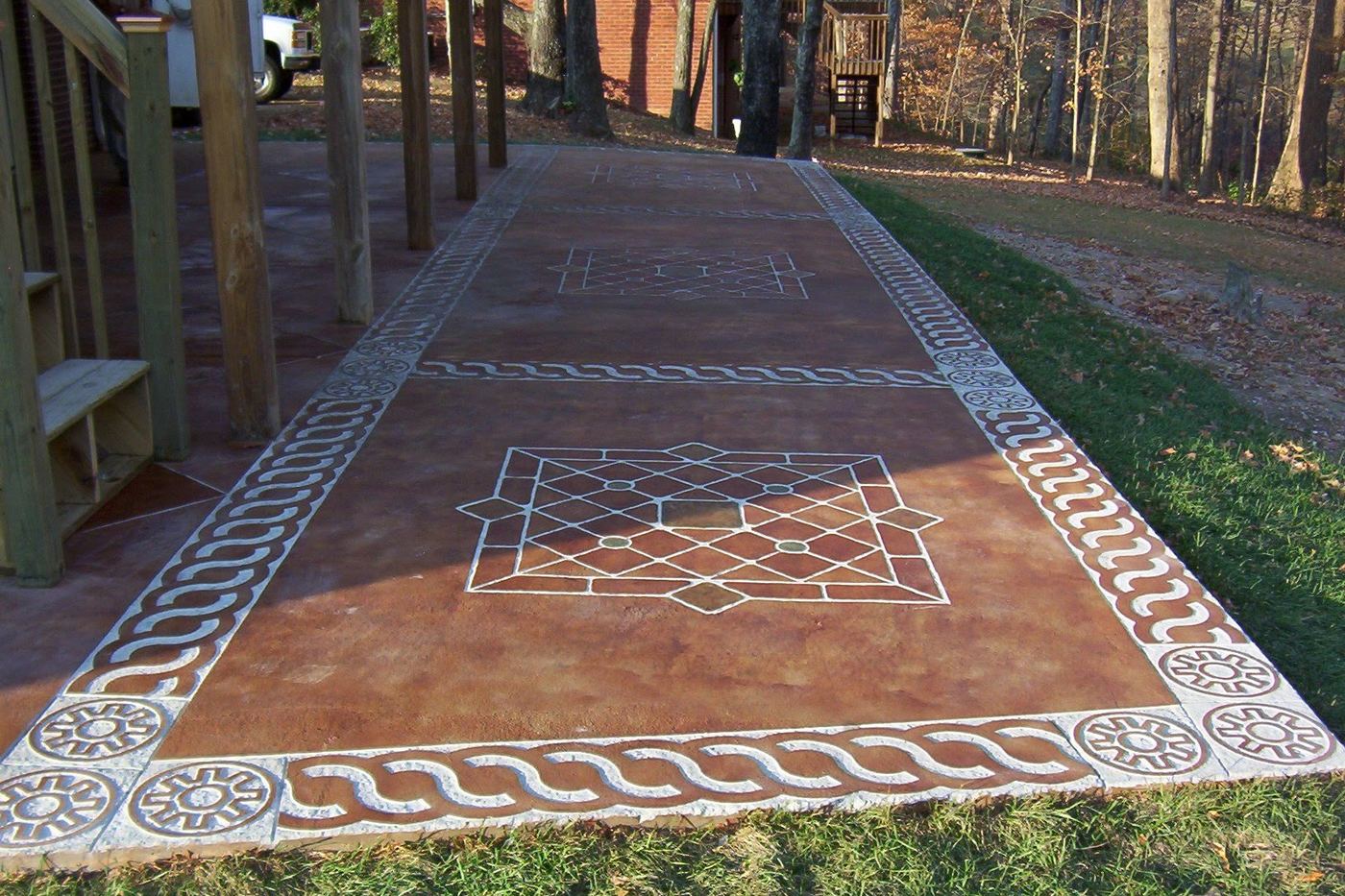
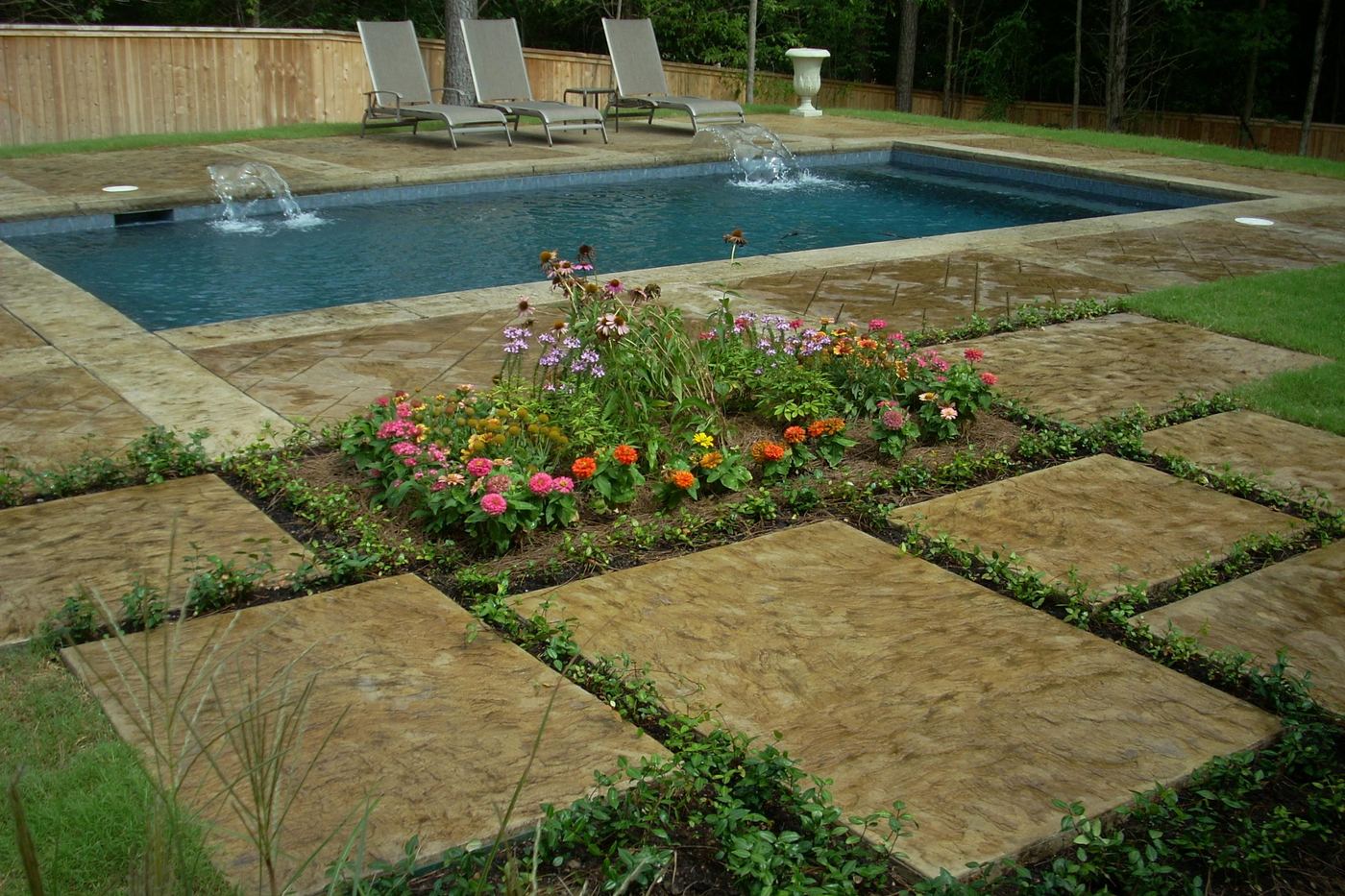
Example photos of finished outdoor surfaces, shown for the look. Not photos of a specific past job.
Why does the sand keep washing out of my paver joints?
Because loose joint sand has nothing holding it, and the heavy afternoon storms from June through September flush a little more of it out every week.
Pavers stay put because the sand packed between them locks them together. Once that sand is gone, the edges start to rock, weeds take root and ants carry off whatever is left. Pressure washing makes it worse when nothing goes back in. A proper job cleans the surface, refills the joints and then seals, so the sand is held in place instead of sitting loose.
Polymeric or stabilized sand
Joint sand that hardens after it is wetted and dries, so rain and a garden hose stop carrying it away.
Joint-stabilizing sealer
Some sealers soak down into the joint sand and bind it. That helps on driveways and pool decks that get rinsed often.
Rocking pavers and low spots
Loose and sunken pavers are lifted and reset before anything is sealed. A sealer will not hold a paver that moves.
What is the white haze on my pavers, and can it be sealed over?
It is usually efflorescence, salts carried up through the pavers by water, and it has to be cleaned off and allowed to stop before any sealer goes on.
New pavers often bloom white in their first months. Near the Gulf and around saltwater pools, salt residue adds to it. Sealer applied over a haze traps it under a cloudy film that is hard to undo, so the order matters: clean, let the pavers dry out, then seal.
Newly laid pavers
A new install needs time to finish blooming before it is sealed. Ask about timing when you send the details.
Saltwater pools
Splash-out leaves salt on the deck. Rinsing it off now and then keeps it from building up under the sealer.
Sprinkler rust
Orange marks from sprinklers on well water are treated first, or the sealer locks them in for good.
Wet look or natural: which paver sealer finish should I pick?
It is mostly a matter of taste, with one practical catch: a glossy wet-look sealer can be slicker underfoot, and that matters next to a pool.
A wet-look sealer deepens the color and adds a shine, the way pavers look right after a rain shower. A natural or matte sealer protects without changing the look much. Around pools, on sloped driveways and on steps, ask about mixing a fine grit into the sealer for better footing when the surface is wet.
Wet look
Richer color and a soft shine. A common pick for driveways and front entries.
Natural or matte
Keeps stone looking like stone. Often chosen for travertine pool decks.
Grip where it gets wet
A fine grit in the sealer gives bare feet and sandals more to hold on to.
What does paver sealing cost in Pinellas and Pasco?
There is no flat number, because every paver job is different; the square footage, how much cleaning and joint sand it needs and the sealer you choose set the price.
Square footage
Driveway, front walk, patio and pool deck each add area.
Cleaning
Heavy mildew, rust stains and old sealer take longer to strip.
Joint sand
Joints that are mostly empty get refilled before anything is sealed.
Repairs
Sunken or rocking pavers are lifted and reset first.
The sealer
Wet look, natural, joint-stabilizing, or with grit added.
How does a paver sealing job go?
Ask
Send the rough size, a photo or two and what bothers you about the pavers now, and ask for a quote.
Clean and repair
The pavers are cleaned, stains are treated, loose pavers are reset and the joints are refilled.
Dry and seal
The surface must be dry before the sealer goes down, so the schedule follows the weather. Ask how long to stay off it before work starts.
Questions about sealing pavers
How often do pavers need to be resealed?
It depends on the sealer, the sun and how much traffic and rinsing the surface sees. Ask at your quote what to expect for your pavers, and watch for water that no longer beads up as a sign it is time.
Can pavers be sealed right after it rains?
Not well. Sealer needs dry pavers and dry joints to bond and to cure clear, so during the rainy season the work is planned around the afternoon storms.
Will sealing stop weeds and ants?
It helps a lot once the joints are refilled and the sand is bound by the sealer, because there is far less loose sand to root in or carry away. It does not make pavers weed-proof forever.
Do you seal travertine and brick as well as concrete pavers?
Yes. Travertine, concrete pavers and brick each take a sealer suited to them. Say which you have, or send a photo, when you ask for a quote.