Polyaspartic garage floors for Gulf coast garages
Out here the garage holds more than a car. There is a boat on its trailer, rods and coolers, a freezer full of fish. Salt water drips off all of it, and the door stays open to the afternoon sun. The floor has to handle both.
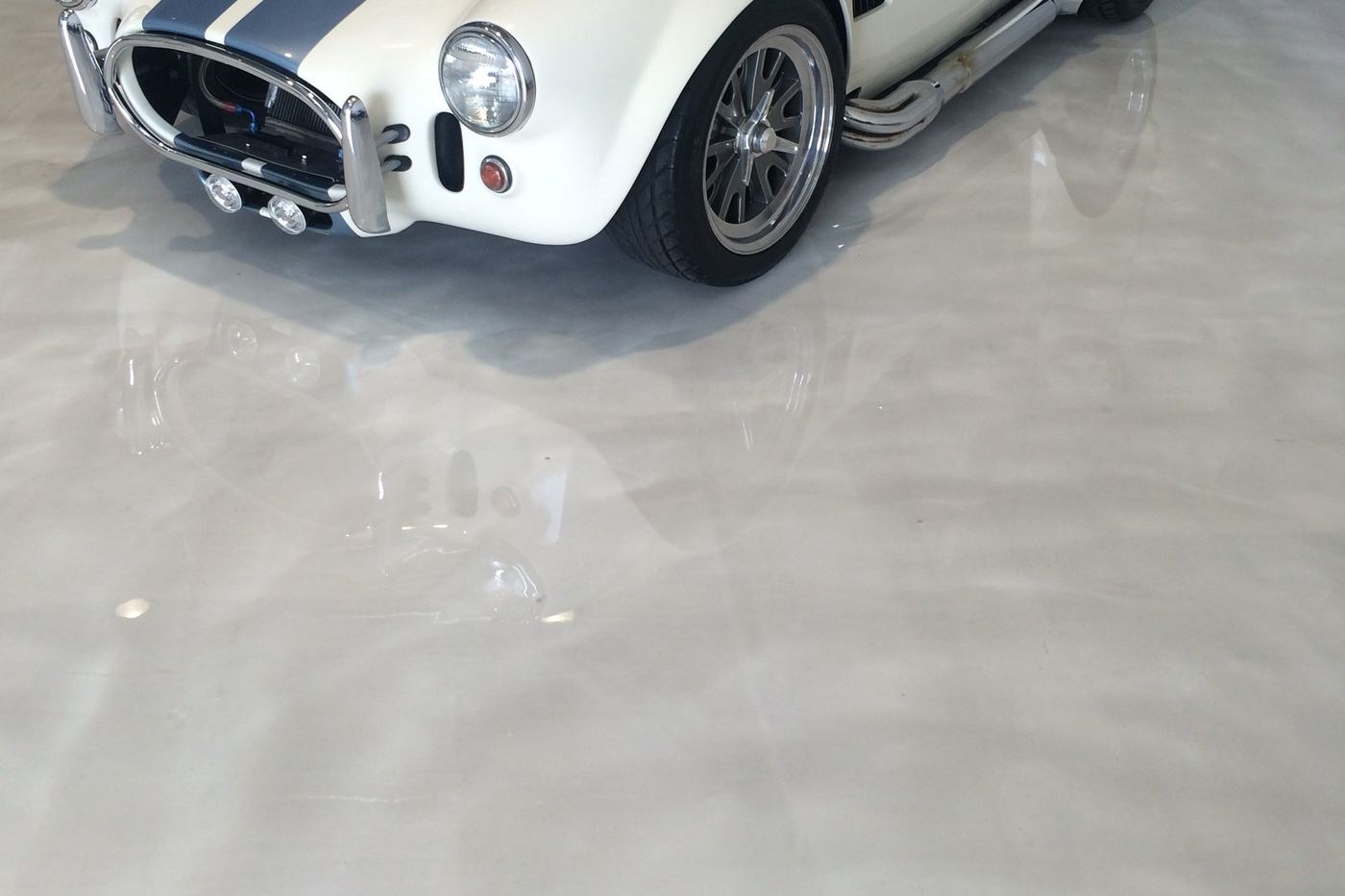
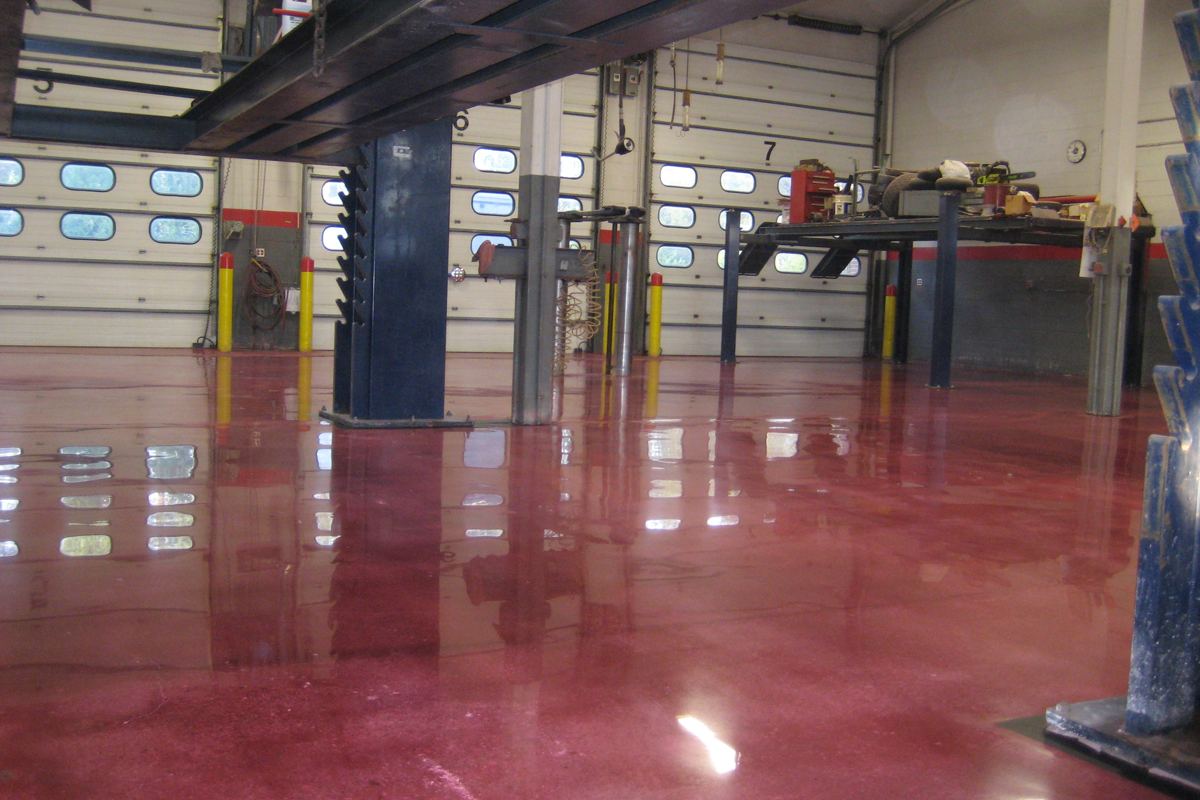
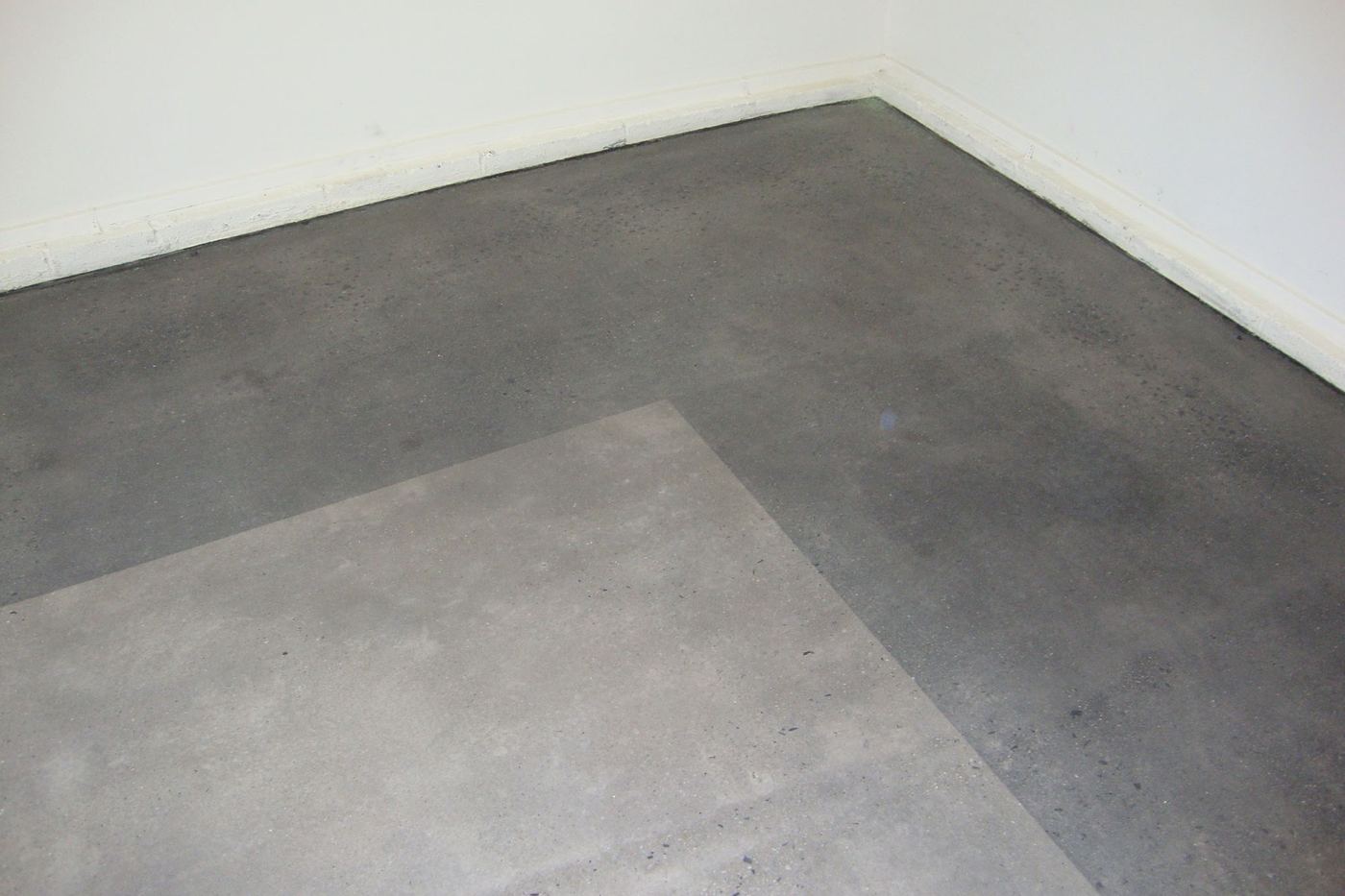
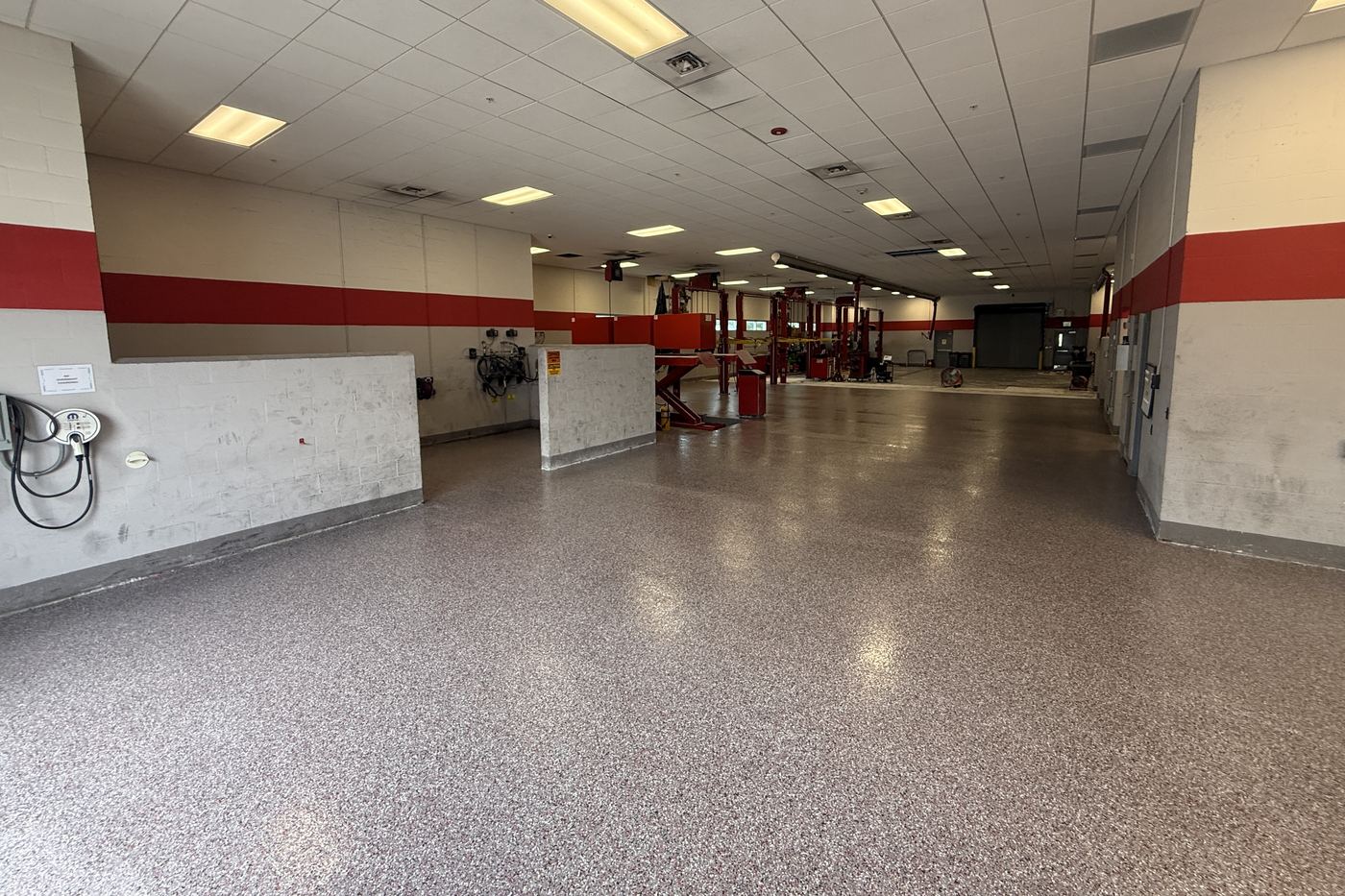
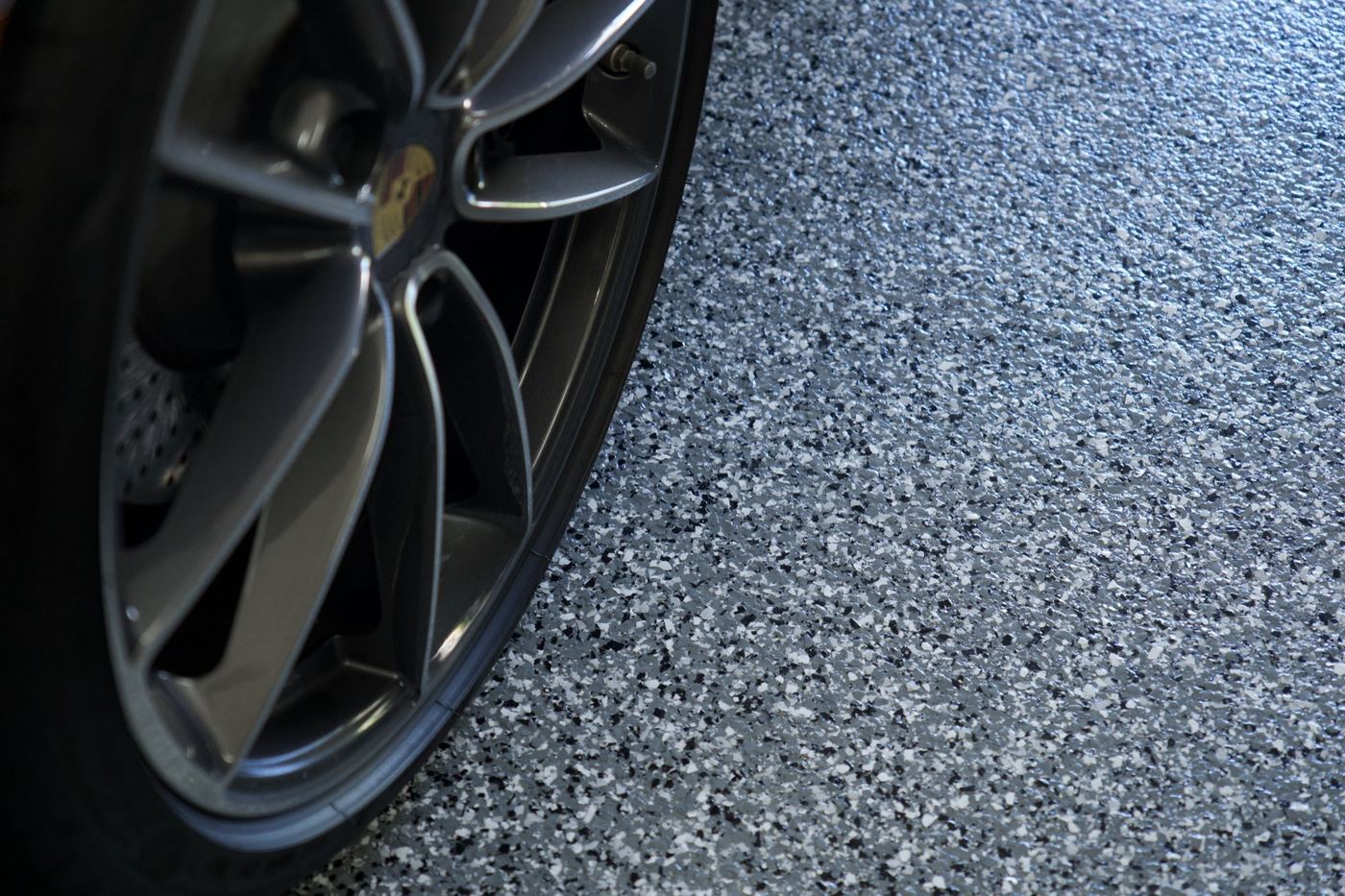
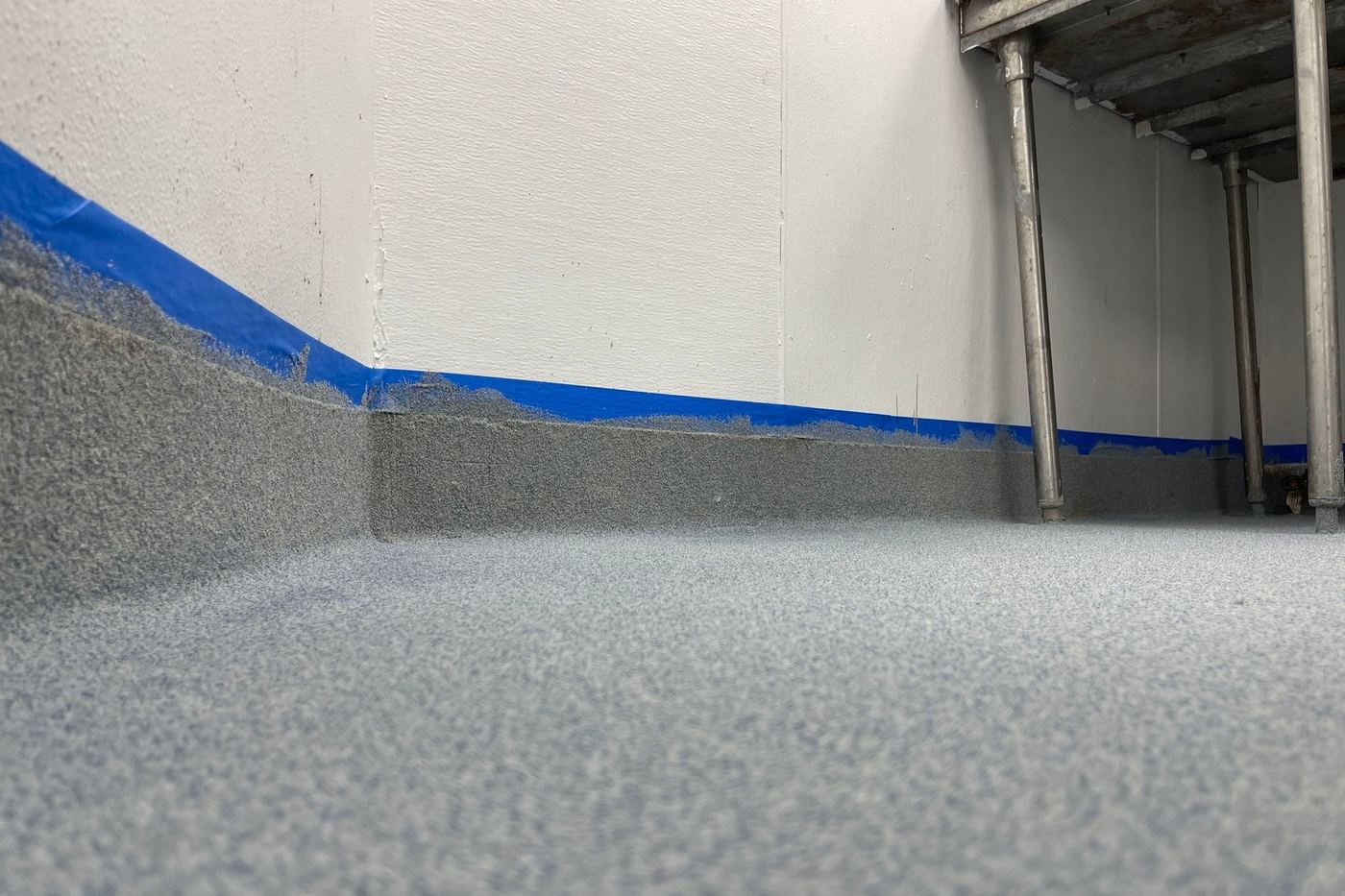
Example photos of finished floors and prep, shown for the look. Not photos of a specific past job.
What does salt water from a boat or trailer do to a garage floor?
It soaks into bare concrete and breaks it down over time, and it stains and lifts cheap paint, so a sealed coating that rinses clean is the better floor for it.
After a day on the water, the trailer and the boat come home wet. Salt water pools under the axles and the outboard, dries, and leaves salt behind, and the next rinse pushes more of it into the slab. Bare concrete scales and pits where that keeps happening. A coated floor keeps the salt on the surface, where a hose and a squeegee move it out the door.
Rinse-down friendly
A sealed floor lets you hose off the trailer and the gear inside and push the water out.
Footing when wet
A flake broadcast or a fine grit in the topcoat keeps a wet floor from getting slick.
Jack stands and dropped tools
Heavy point loads are why both the base coat and the topcoat matter.
Polyaspartic or epoxy for a garage that faces the afternoon sun?
A polyaspartic topcoat is the usual pick, because standard epoxy can yellow in direct sun while polyaspartic holds its color.
A lot of homes near the coast have garage doors facing west, standing open through the hottest, brightest part of the day. Sunlight across the floor is hard on standard epoxy, which can turn amber where the light lands. Many systems use an epoxy or polyurea base under a polyaspartic topcoat for exactly that reason. Which system suits your floor depends on the slab, so ask what is proposed and why.
Color that holds
A UV-stable topcoat keeps a light floor light.
A shorter wait
Polyaspartic sets up quicker than standard epoxy. The exact wait depends on the products and the weather on the day, and you will hear it before work starts.
Hot tires
A tire coming in off hot asphalt can pull at a coating that never bonded. That is a prep problem, and prep is where most of the work goes.
Can a garage floor be recoated after storm surge flooding?
Yes, once the slab has dried out and the salt and silt are cleaned away; coating over a wet or salty slab is what makes a new floor fail.
Hurricane Helene's surge in 2024 pushed salt water into garages along the Pinellas and Pasco coast, from Clearwater north through Tarpon Springs, New Port Richey and Hudson. Plenty of those floors are still bare or patched. Before anything new goes down, the slab is cleaned of salt and mud, given time to dry and checked for damage, and any old coating that let go comes off.
Dry first
A slab that took on water needs time to dry. The schedule follows the slab, not the calendar.
Salt out
Salt left in concrete keeps pulling in moisture, so it is washed out before prep.
Old coating off
Paint or epoxy that peeled in the flood comes off completely, not just the loose parts.
What does a polyaspartic garage floor cost in Clearwater?
It comes down to your floor: how big it is, what shape the slab is in, whether old paint has to come off and which finish you choose. Ask, and you will get a price for yours.
Size
One, two or three car, plus any boat bay or workshop corner.
Slab condition
Pitting, salt scaling, cracks and flood damage all add prep.
Old coatings
Paint or failed epoxy has to come off first.
The system
Flake, metallic, solid color, quartz or polished concrete, with a topcoat suited to sun and salt.
How does a garage floor job go, start to finish?
Ask
Tell us the garage size, what lives in it and send a photo of the floor, and ask for a quote.
Prep
The slab is cleaned of salt and oil, then ground and repaired so the coating can bond.
Coat and cure
Base, color and topcoat go down in order, then the floor needs time before the car, the boat and the trailer come back. Ask for the schedule so the boat has somewhere to go.
Garage questions from boat owners
Can a coated floor take a boat trailer and jack stands?
A properly bonded coating with a hard topcoat handles trailer tires and stands. Put a plywood pad under anything that sits on one spot for months.
Will gas, oil or bait spills stain it?
A sealed floor wipes clean when spills are cleaned up reasonably soon. Ask which topcoat suits a floor that sees fuel and fish.
Is a flake floor slippery when it is wet?
Less than a smooth one. Flake adds texture, and a fine grit can go into the topcoat for more grip where you rinse down.
Do you work in Pasco and Hernando too?
Yes. Spring Hill, Brooksville, Hudson, Wesley Chapel and Land O' Lakes are in the service area, along with Clearwater, St. Petersburg and the other Pinellas towns.